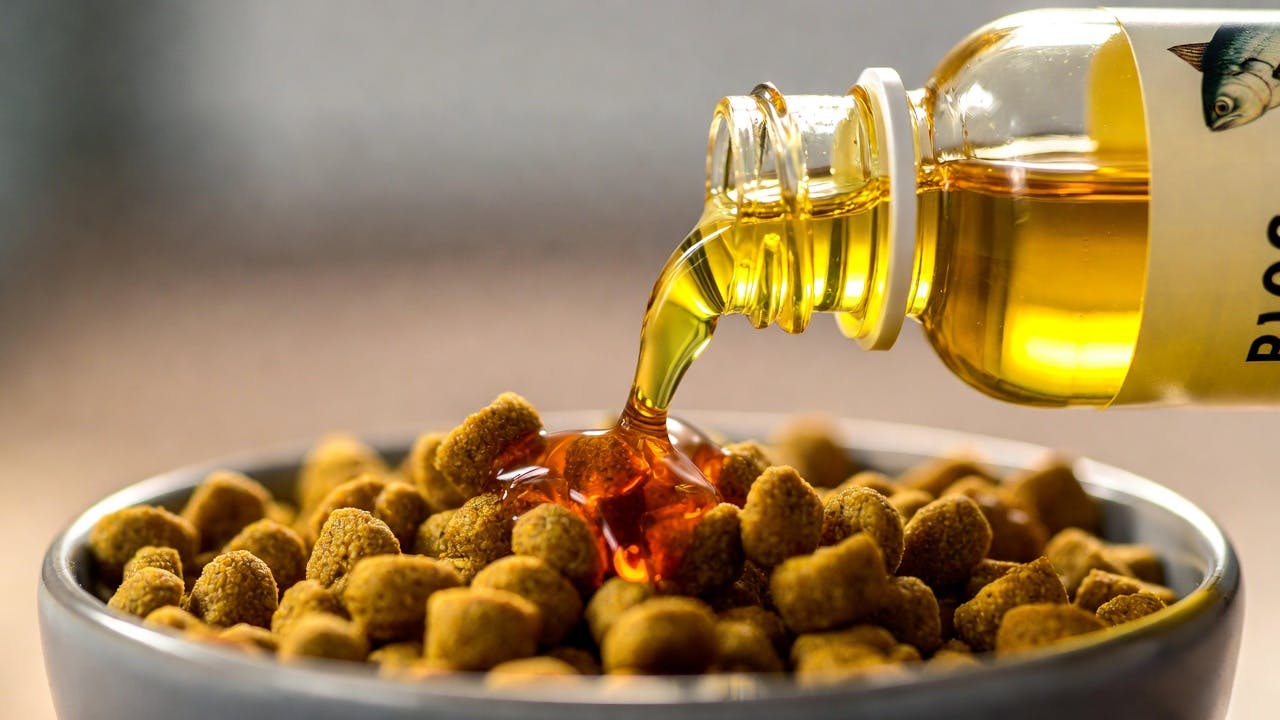
What are the benefits of fish oil for dogs? > The primary benefits of fish oil for dogs include reducing skin inflammation and itching, promoting a shiny coat, improving joint mobility in senior dogs, and supporting heart and brain health. The Omega-3 fatty acids (EPA and DHA) found in fish oil act as natural anti-inflammatories that support a dog's immune system and overall longevity.
If you’ve ever noticed your dog’s coat looking a bit dull, or if they seem a little stiff getting up in the morning, you’ve likely been told: "Try fish oil." But this isn't just a trendy fad. Fish oil for dogs is one of the few supplements that veterinarians almost universally recommend.
Unlike humans, dogs cannot produce essential Omega-3 fatty acids on their own. While many high-quality kibbles claim to include Omega-3s, the high-heat processing of dog food often destroys these delicate fats before they ever reach your dog’s bowl. Adding a fresh, high-quality fish oil is the most effective way to fill that nutritional gap.
When you look at a bottle of fish oil, you’ll see two acronyms: EPA and DHA. Here is what they actually do for your dog:
Deciding how to give your dog their supplement usually comes down to convenience and your dog's pickiness:

The "bowl revolution" is here. We’re moving away from mysterious brown pellets and toward real, recognizable food. But does fresh pet food actually live up to the hype?

Grain-free dog food has skyrocketed in popularity, but is it just a marketing trend or a nutritional necessity? We dive into the science, the benefits for allergies, and what the latest research says about heart health.
Dosage is not "one size fits all." A Great Dane needs significantly more than a Yorkie. A general rule of thumb is approximately 20–40 mg of EPA per pound of body weight, but this can vary if your dog is treating a specific condition like kidney disease.
Pro Tip: Always start with a half-dose for the first week. Fish oil is rich, and a sudden full dose can sometimes lead to "fishy breath" or loose stools until their digestive system adjusts.
Not all oils are created equal. To ensure you aren't buying "junk" oil, check for these three things:


